Patriots’ opener showed the 2026 question right away: can they finish?
A one-score loss in Seattle wasn’t just a missed chance. It was an early test of New England’s late-game identity, with a young offensive spark offering a small reason for optimism.
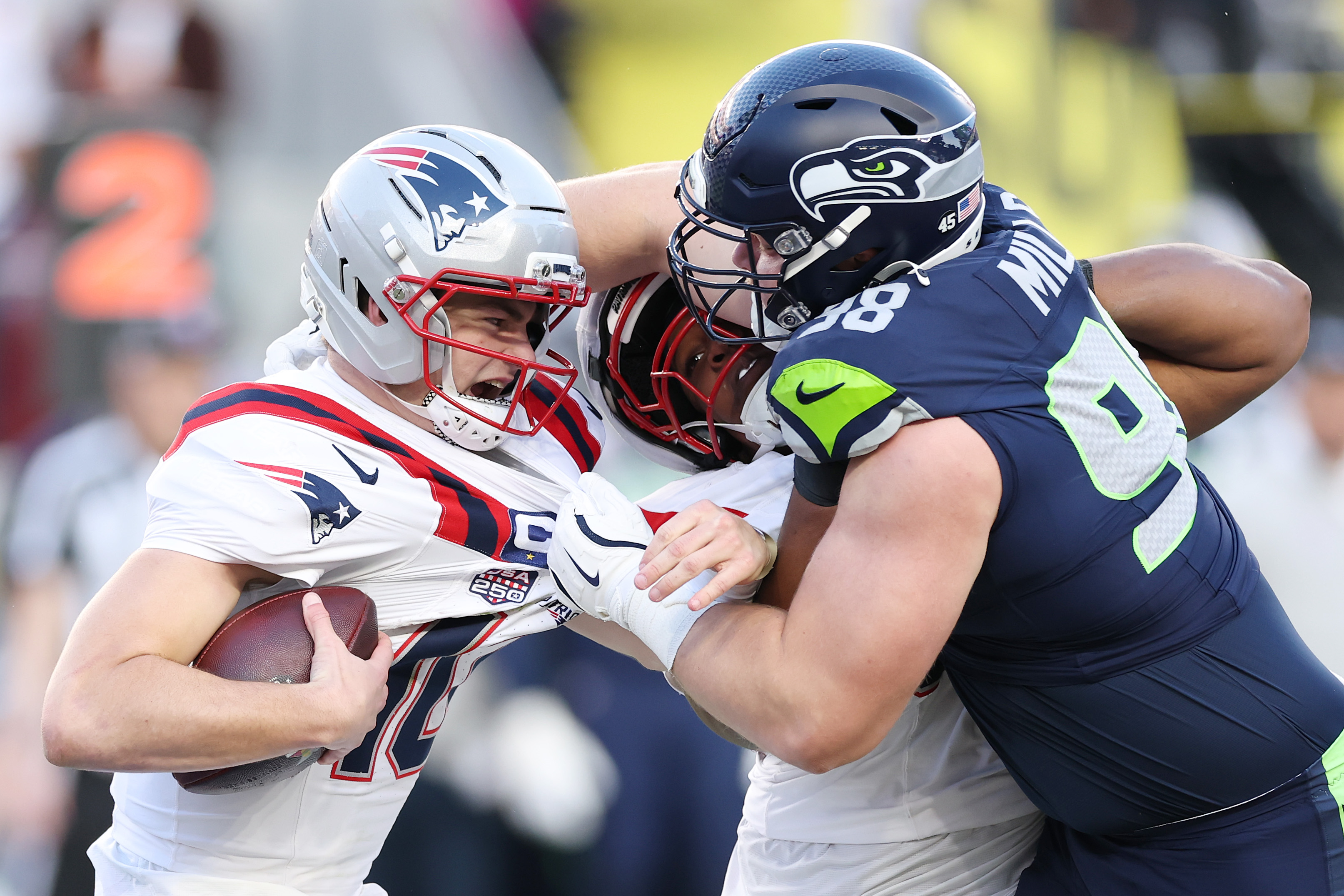
A close loss that still felt telling
The Patriots opened the 2026 season with a 13-10 loss at Seattle on Wednesday, and the result mattered beyond the final score. New England’s own game notes confirmed this was Week 1 of the 2026 season and the club’s 12th primetime season opener, which gives the game a clear place in the year’s first snapshot rather than any larger historical debate. For fans, the immediate takeaway is simple: the Patriots were competitive enough to stay in it, but not sharp enough to leave with a road win. [1]
That kind of opening night result can be deceptive if it is treated only as a one-score loss. The more useful read is that the Patriots already spent their first game of the season revealing where the pressure points are. The offense showed just enough life to avoid looking stuck, but the team still left the field with the sort of result that puts execution, not talent alone, under the spotlight. [S1,S2] [1] [2]
Vrabel’s postgame message was about finishing
Head coach Mike Vrabel made the most important point after the game when he said the Patriots did not win the second half and need to do a better job in critical situations. That is the core of the story from Seattle: New England was close enough to make the game meaningful, but not clean enough where it mattered most. The message is less about one bad stretch and more about a standard Vrabel clearly wants this team to meet immediately. [2]
From a fan perspective, that matters because the opener hinted at a team still searching for its late-game personality. The Patriots did not collapse, but they also did not control the moments that usually decide a road game against a quality opponent. If this becomes a season-long trait, the team will be forced to win too many games by margin for error alone. If it is fixed quickly, the opener can be remembered as an early wake-up call rather than an identity flaw. [2]
One young target provided a small offensive spark
There was, however, one verified bright spot on offense. The game notes showed that tight end Eli Raridon’s first reception went for a touchdown, which is exactly the kind of early-season detail that can matter for a young offense trying to find reliable answers. It does not erase the loss, but it does suggest the Patriots have at least one new piece who can turn limited chances into meaningful production. [S1,S2] [1] [2]
That touchdown is important less because of the box-score novelty and more because of what it implies for New England’s ceiling. Teams that struggle to close often need a fresh playmaker to create one easy answer in tight games, and Raridon’s first catch becoming a score is the sort of development that can widen the playbook over time. For now, it gives the Patriots something concrete to build on while the rest of the offense works toward steadier execution. [1]
The bigger test arrives fast
The Patriots do not have to wait long to learn whether this was a one-game issue or the first sign of a larger trend. The research brief points to the Sept. 20 home game against Pittsburgh as the first real checkpoint for whether New England can turn the opener’s lessons into cleaner football. That makes the next game more than just another date on the schedule; it is an early test of whether the team can finish better when the margin is small. [S1,S2] [1] [2]
There was also one special-teams note worth keeping in view: kicker Andy Borregales remained perfect on his career 50-yard field goals. In a season opener decided by three points, that kind of reliability is not a side note, it is part of the team’s survival kit. Put together, the opener left Patriots fans with a familiar mix of concern and hope: the finishing still has to improve, but there is at least one young offensive flash and one dependable leg to lean on while the offense finds itself. [S1,S2] [1] [2]
Sources and further reading
Reporting and context used for this article:
Related stories
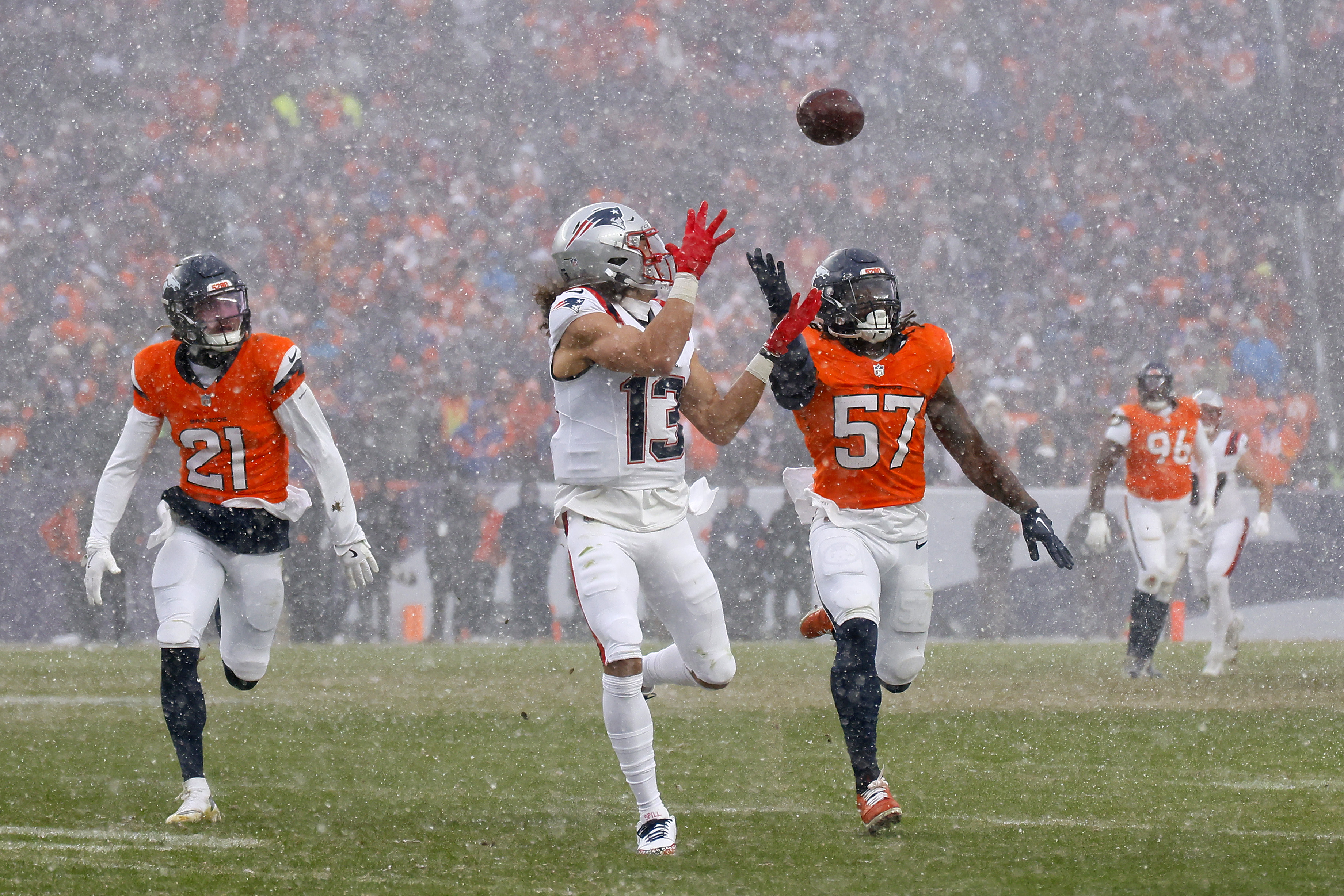
Patriots’ Week 1 fallout is already becoming a depth test
New England’s opening loss in Seattle is only part of the story. The bigger early-season question is whether the Patriots have enough offensive stability to survive the next stretch while the roster keeps shifting.